The Role of Game Math in the Player Experience
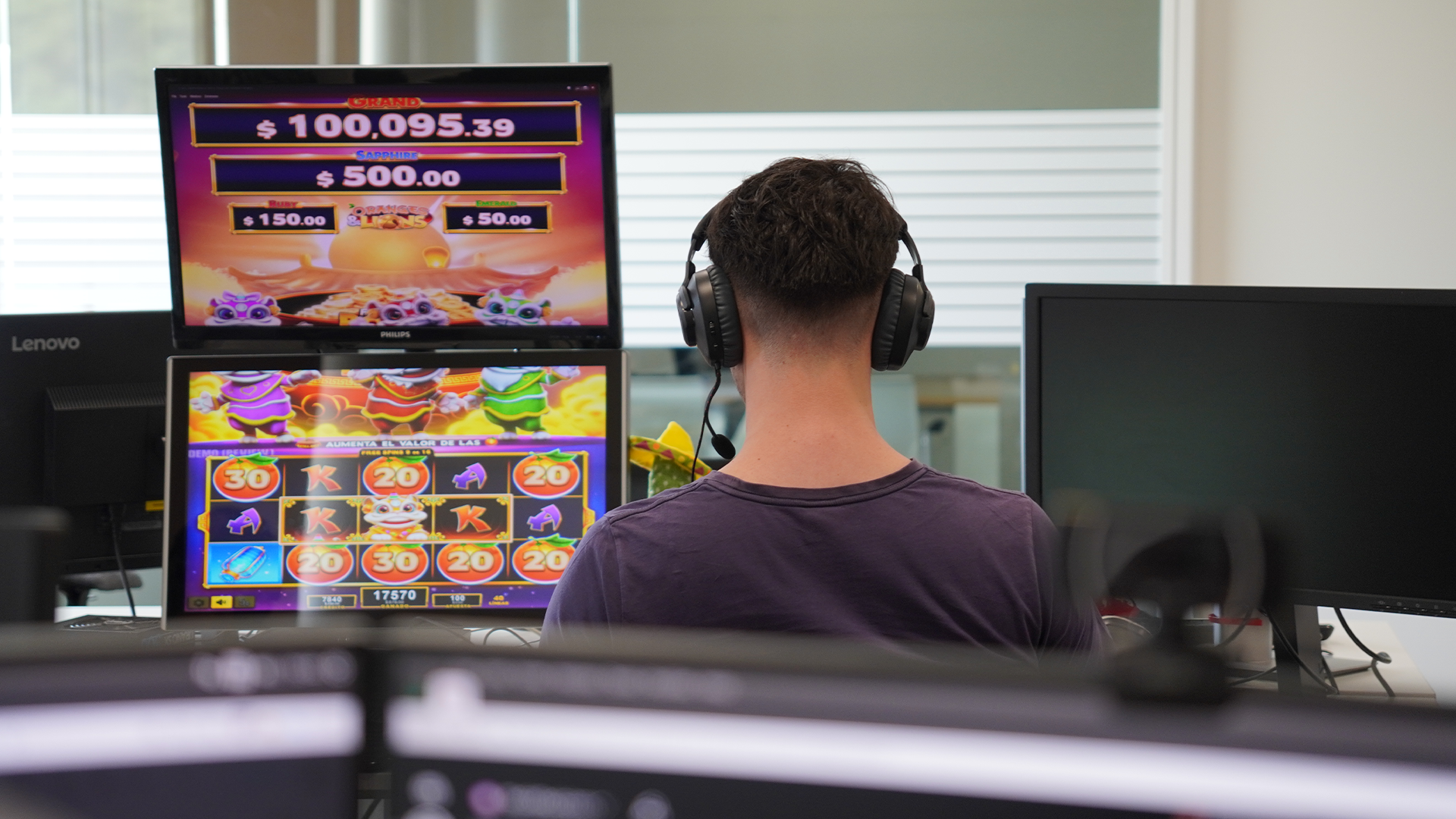
When a player hits the spin button, what happens looks simple. A result appears, a win is awarded or not, and the round ends in seconds. But behind that moment is an entire discipline dedicated to making sure everything works with precision: game math. It’s the math that defines how a casino game behaves, down to the smallest detail.
Without it, there’s no real balance, not for the player, not for the operator, and certainly not for the market. So what does math actually have to do with every jackpot?
What is game math, and why does it matter?
Game math is the discipline responsible for mathematically modeling how a game works. It determines the probability of each outcome, how often wins occur, the payout structure, and the well-known RTP, or Return to Player.
But the work doesn’t start with calculations. It starts with interpretation: what is this game meant to deliver? What kind of feeling should it create? What player behavior is trending in the market right now?
How is a game’s math built?
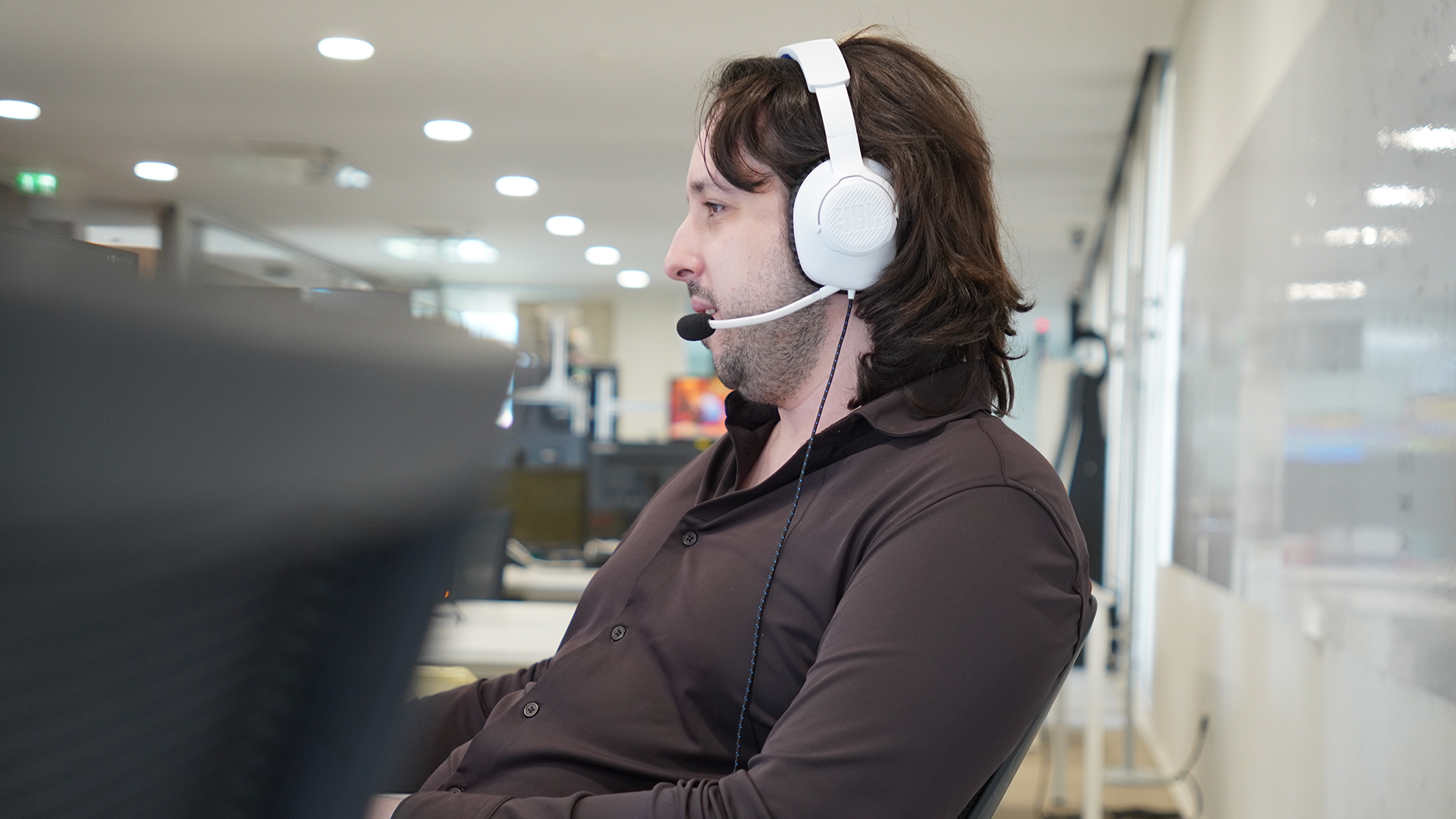
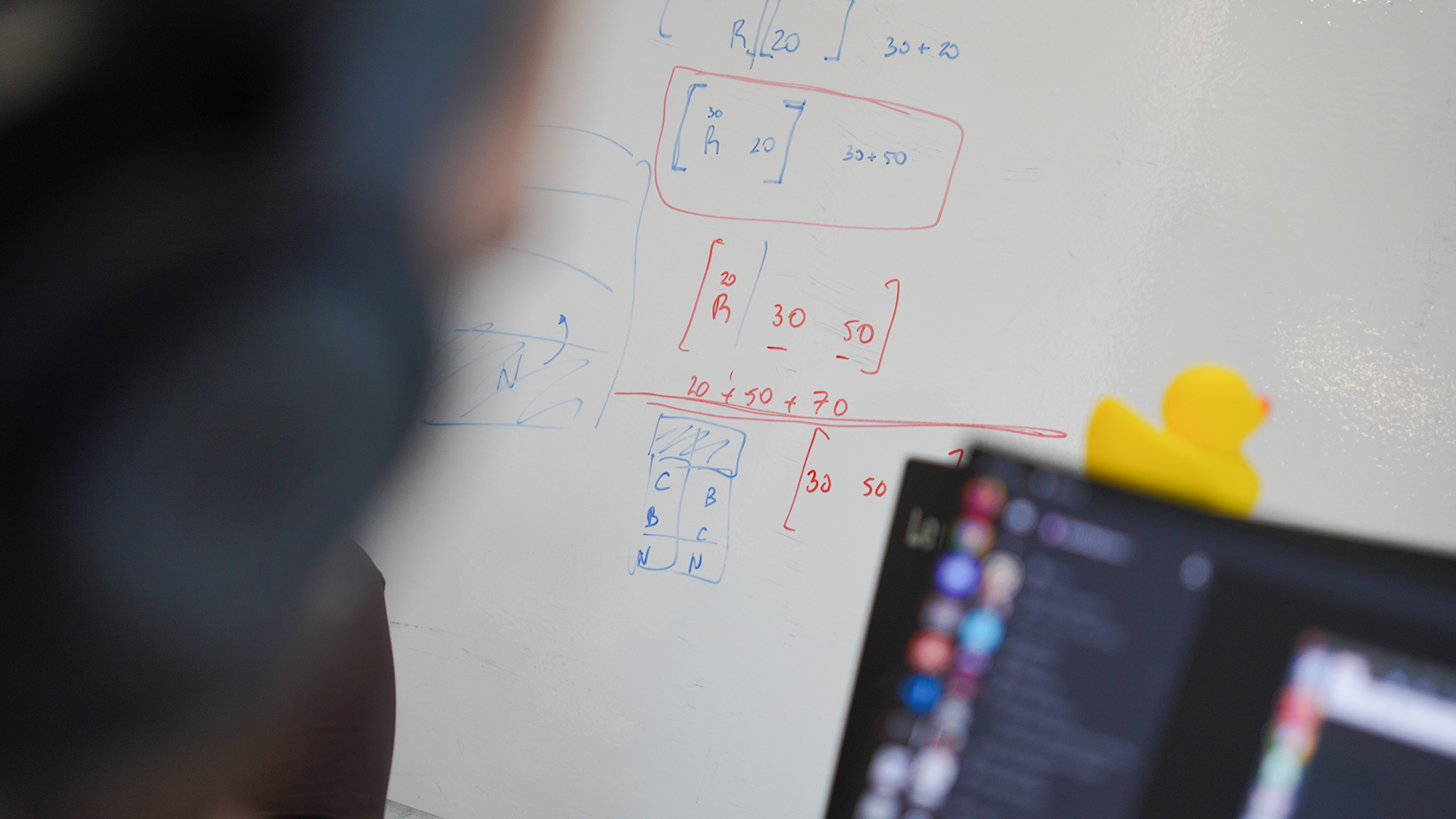
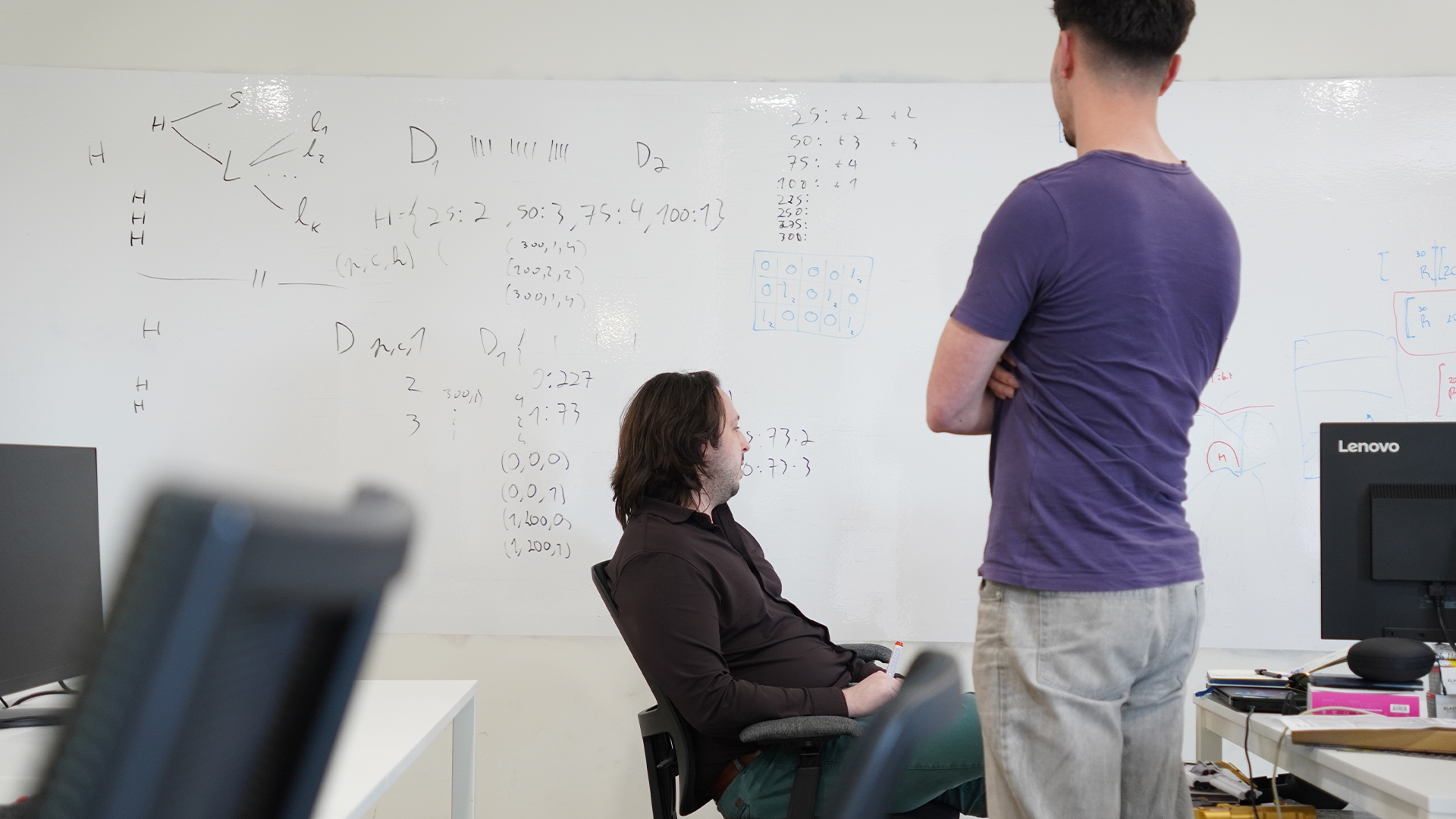
In practice, building the math behind a slot or any other game means simulating millions of rounds before the game even exists. Different payout structures are tested, win frequencies are adjusted, and the weighting of each symbol is fine-tuned.
The goal is to strike a balance between three variables that rarely align easily:
- Player appeal: creating anticipation, excitement, that sense that the next spin could change everything
- Financial sustainability: ensuring the business model holds up over time
- Regulatory compliance: meeting the specific requirements of each market
This process involves close collaboration with product and design teams. Math defines how the game behaves, but it always needs to be validated against the intended player experience. A game with flawless math that isn’t fun to play won’t go anywhere.
What makes this work especially demanding is that its results are invisible.
What does RTP mean in a casino game?
RTP, or Return to Player, is the percentage of total wagers that a game pays back to players over time. A slot with a 96% RTP, for example, returns an average of $96 for every $100 wagered.
It’s probably the most recognized concept in game math, and also the most misunderstood. What many players don’t realize is that RTP doesn’t apply to a single session.
RTP is a statistical average calculated over millions of rounds. In a single session, you might lose everything or multiply your stake several times. Both outcomes are perfectly consistent with a 96% RTP.
A useful comparison is life expectancy. The national average might be 80 years, but that says nothing about any one individual case.
So RTP isn’t a personal promise. It’s a statistical benchmark that ensures the game isn’t rigged and that every outcome is governed by an audited and regulated system. In other words, it’s a guarantee of transparency, not a guarantee of returns.
Read more: How is a casino game created at Fabamaq?
The house edge explained
Behind RTP sits the house edge, the mathematical advantage the casino holds over the player on each bet. If a game has a 96% RTP, the house edge is 4%. It may seem small, but across thousands of bets, it’s what ensures long-term sustainability.
In practice, the house doesn’t rely on luck, it relies on statistics. That advantage is built into the game design in a regulated, audited, and transparent way as part of the business model. What can feel opaque is how it shows up: small, incremental losses over time, almost unnoticeable from one round to the next.
Understanding this changes how you approach the game. If you understand the house edge, you understand what you’re paying for the experience, just like you would with a movie ticket or a night out. The value is in the experience, not in the expectation of profit.
Are there strategies to win?
In games like slots, there’s no strategy that can change the outcome. Every spin is independent. The time you play, your betting pattern, the button you press, none of it affects the random number generator. The sense of control is part of the design.
In other games, like blackjack, strategy does play a real role. Using basic strategy correctly can reduce the house edge to under 1%. Still, it doesn’t eliminate it.
The better question isn’t “is there a strategy?” but “what kind of game am I playing, and what do I expect from it?” This is where game math reveals its most subtle role. It’s not just about probabilities, it’s about shaping the rhythm of the game itself.
The pacing of wins, the anticipation of a bonus, the moment a jackpot hits. All of that is math applied to human experience.
Game math is one of the most critical parts of casino game development, and one of the least visible. It turns a simple mechanic, pressing a button and revealing an outcome, into a balanced, engaging, and fair experience.
That balance is what creates the anticipation of every spin, the excitement of an unexpected win, and the satisfaction of understanding what’s really happening behind the game in your hands.
Curious about what else happens behind the scenes at Fabamaq? Discover how we integrate Artificial Intelligence into casino game development, and how it’s changing the way we work.
Want to see this in practice? In Spin the Game, we spoke with Bruno Madureira, Head of Game Math at Fabamaq, to explore topics like RTP and the house edge. Watch the full episode.