How is a casino game created at Fabamaq?
Behind every casino game there is far more than appealing graphics or engaging mechanics. It is a multidisciplinary process that brings together creativity, mathematics, engineering, sound, design, and strong collaboration between teams.
At Fabamaq, creating a game is always a team effort. Every detail, from the sound of a jackpot to the rhythm of an animation, is carefully crafted to build a memorable experience for the player.
It is this work that turns an idea into that moment when the player presses the button and… starts to play. But how exactly is a casino game created?
1. It all starts with an idea
The process begins long before the first line of code is written. Everything starts with a concept, the moment that defines the identity of the game and sets the foundation for everything that follows.
The Product Management team analyses market trends, player preferences, and opportunities for innovation. From there, the core idea of the game takes shape: its theme, mechanics, and the experience it aims to deliver.
At this stage, the most important thing is to clearly understand the vision for the game.
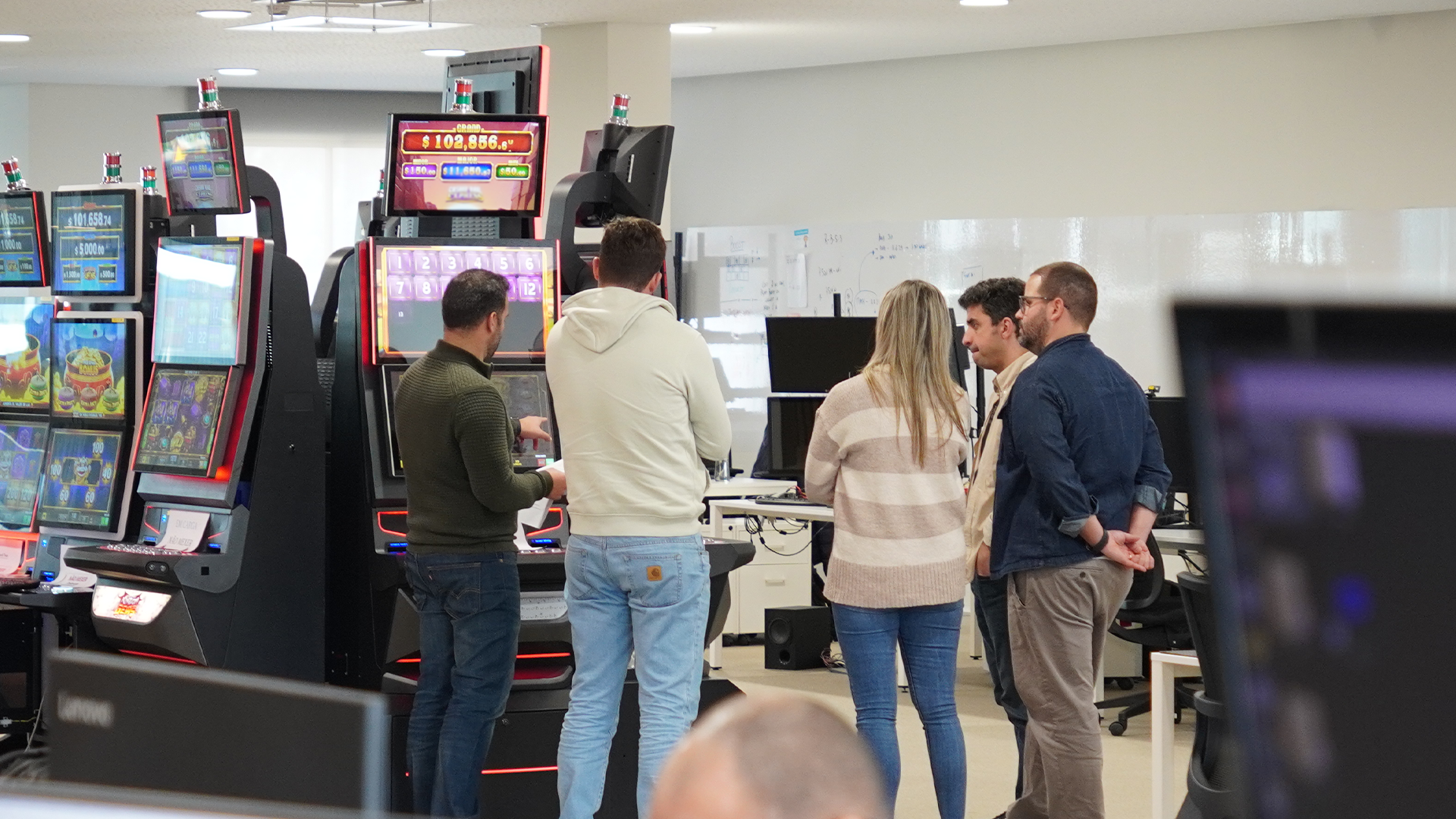
Before any technical or artistic work begins, teams discuss the concept, explore references, and try to answer a few key questions:
- What kind of emotion do we want players to feel?
- What will make this game stand out?
- How do we balance innovation with familiarity?
Often, the first steps happen outside the software. Ideas are explored through sketches, documents, or simple prototypes that help align expectations and ensure everyone is working towards the same goal.
2. The mathematics behind the fun
Once the concept is defined, one of the most critical parts of the process comes into play: game mathematics. At this stage, the team develops the mathematical models that determine elements such as:
- probabilities
- prize frequency
- RTP (Return to Player)
- payout structures
But the work goes far beyond calculations. It starts with understanding what the game is meant to achieve and how the market behaves.
Different payout tables or reward rhythms can create very different sensations for the player. That’s why it’s essential to understand what works across the industry and what players expect from the experience.
From there, the real mathematical work begins. Millions of simulated plays are tested across different scenarios until the right balance is found. One that’s engaging for the player, financially sustainable, and aligned with market expectations.
This process happens in close collaboration with the product team. While mathematics defines how the game behaves, the final result must still feel exciting and rewarding for players.
Although invisible to the player, this is one of the most decisive parts of development, as it defines:
- the rhythm of the game
- the feeling of winning
- the balance between risk and reward
In essence, mathematics transforms a simple mechanic, being pressing a button and revealing results, into a balanced and engaging experience.
That’s exactly what creates the anticipation of every spin, the excitement of an unexpected win, or the moment when a jackpot appears. Take the opportunity to learn more about the Game Math team at Fabamaq.
3. Shaping the visual universe
With the concept and mathematics defined, the game’s visual universe begins to take shape. The art team works on creating:
- characters
- symbols
- environments
- animations
- visual interface
Each element is designed to reinforce the game’s narrative and build a strong identity. The goal is simple: at first glance, the player should feel drawn into that world.
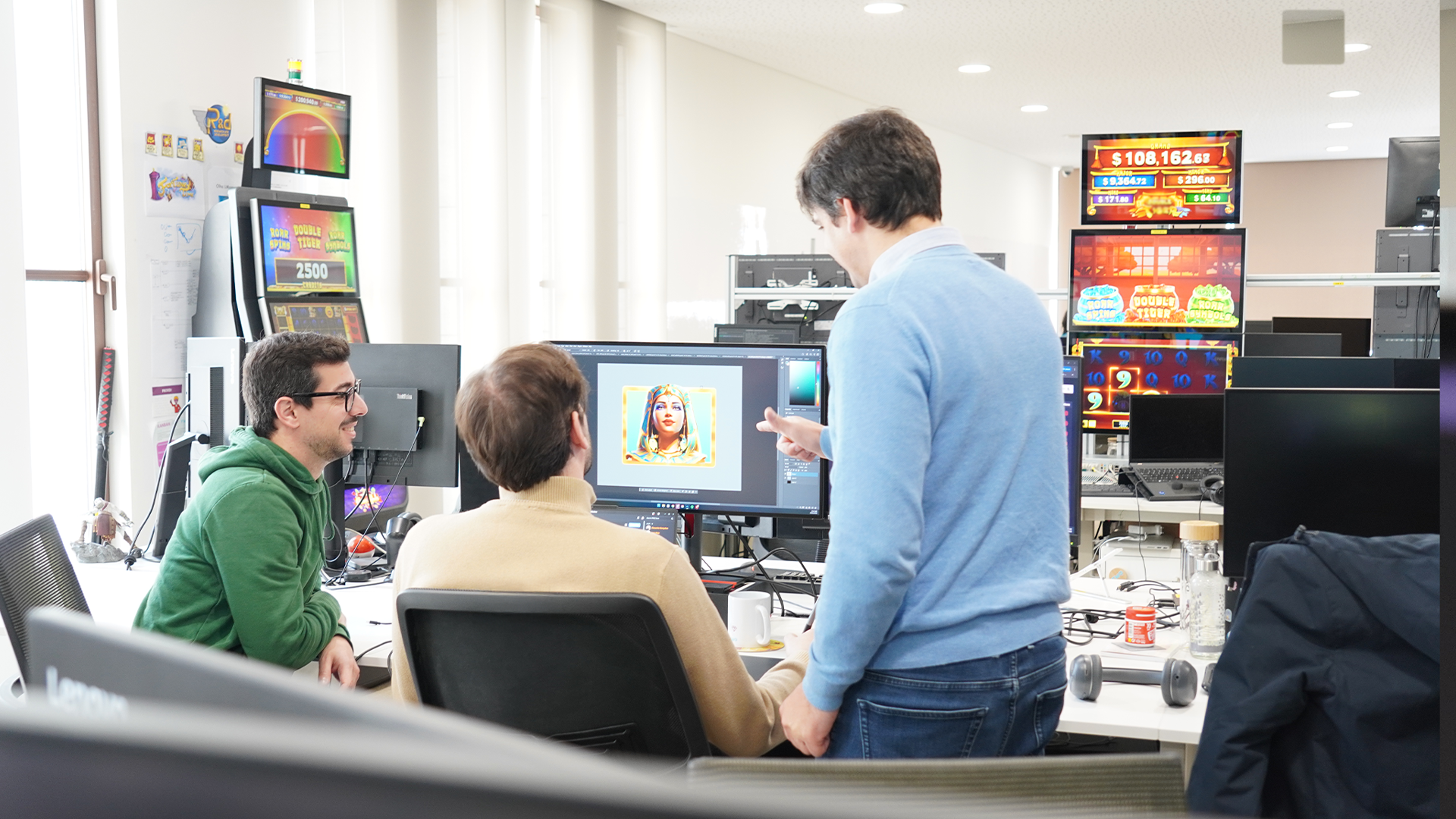
Even before starting the design work, designers analyse the audience and the market the game is intended for. Different player profiles respond better to different visual styles, and regional or cultural trends can influence themes, colours, and visual language.
Aligning the visual direction with the target audience and the game mechanics is essential for creating a coherent experience.
In casino game development, however, every visual decision is also a technical one. A button, an animation, or a lighting effect impacts not only aesthetics but also performance and gameplay fluidity.
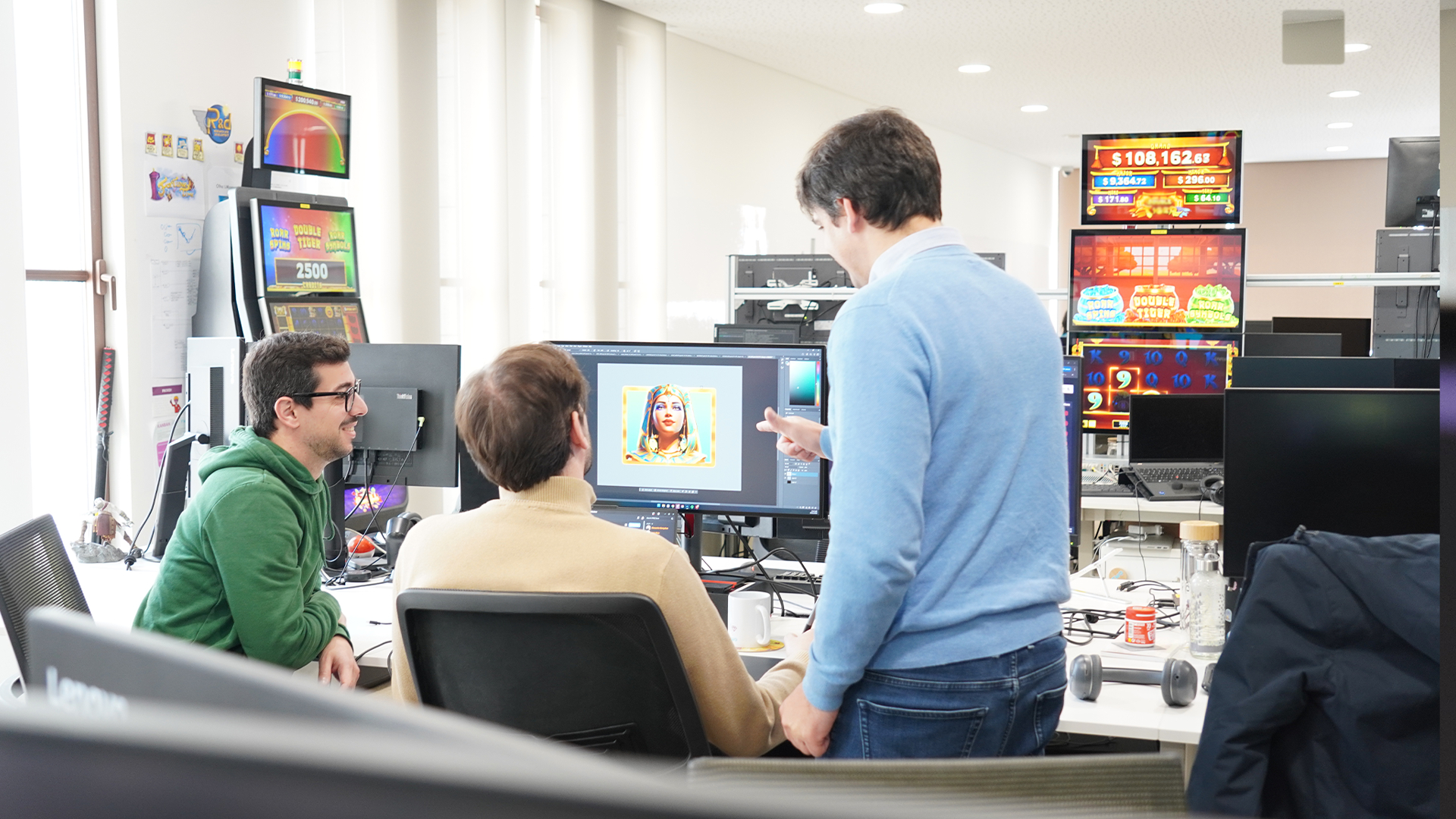
That’s why designers work closely with technical artists and developers to balance visual quality and efficiency, ensuring everything runs smoothly within the game engine and across different platforms.
At the same time, design plays a key role in usability. Clear interfaces, readable icons, and well-highlighted buttons help players quickly understand how the game works and focus on what matters most: playing.
During development, teams often rely on visual prototypes or temporary assets to test ideas and validate the experience before producing the final elements.
In the end, the goal is to create a visual universe that is both technically efficient and emotionally engaging. After all, beyond impressing, art supports gameplay, reinforces emotions, and keeps players immersed.
4. The sound that brings the game to life
In a casino game, sound is just as important as visuals. The audio team creates sound effects and environments that accompany each player action: the spin of the reels, the reveal of symbols, and winning moments.
This work is closely tied to visual development. Animations and gameplay rhythm help define the timing, intensity, and duration of sound effects.
When done well, sound amplifies emotion and strengthens the overall experience.
Small details, like the crescendo before a win, the sparkle of a winning symbol, or the moment when a Megapot appears, can turn a simple spin into a memorable moment. Check on 6 tips to take a Tech Art workflow to the next level.
5. Development and integration
At this stage, all the pieces finally start coming together. The development team integrates:
- mathematics
- art
- sound
- gameplay mechanics
- interface
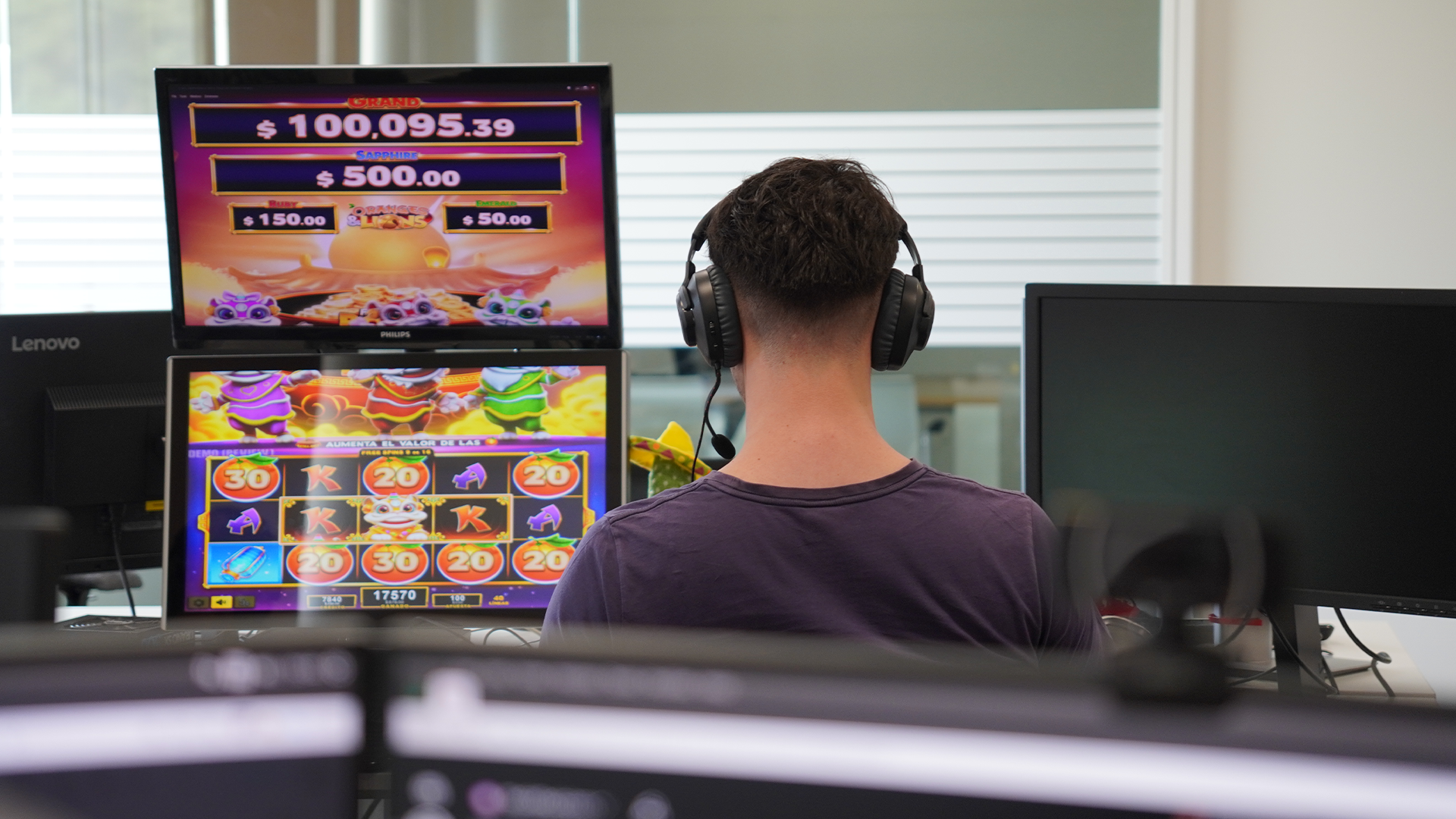
The goal is to turn concepts and assets into a playable, fluid product. It requires constant communication between teams. Different elements of the game are often developed in parallel, using prototypes or placeholders that allow work to move forward without blocking other areas of the project.
This approach, often described as “divide and conquer”, speeds up development and allows ideas to be tested iteratively.
At the same time, there is always a clear focus: simplifying the experience for the player. A game may involve complex systems behind the scenes, but the interaction itself must feel intuitive and natural.
When a player sits down at a machine, everything should just make sense: pressing the button, watching the animation, and getting into the rhythm of the game.
6. Testing, adjusting, and refining
Before reaching players, the game goes through a rigorous testing phase. Several aspects are analysed, including:
- gameplay mechanics
- balance of the experience
- technical performance
- visual and audio consistency
At this stage, small adjustments can make a big difference in the final experience.
Teams evaluate not only whether the game works correctly, but also whether it feels smooth, clear, and intuitive for players.
Whenever possible, usability tests are conducted to observe how users interact with the game and identify potential friction points in the interface or gameplay.
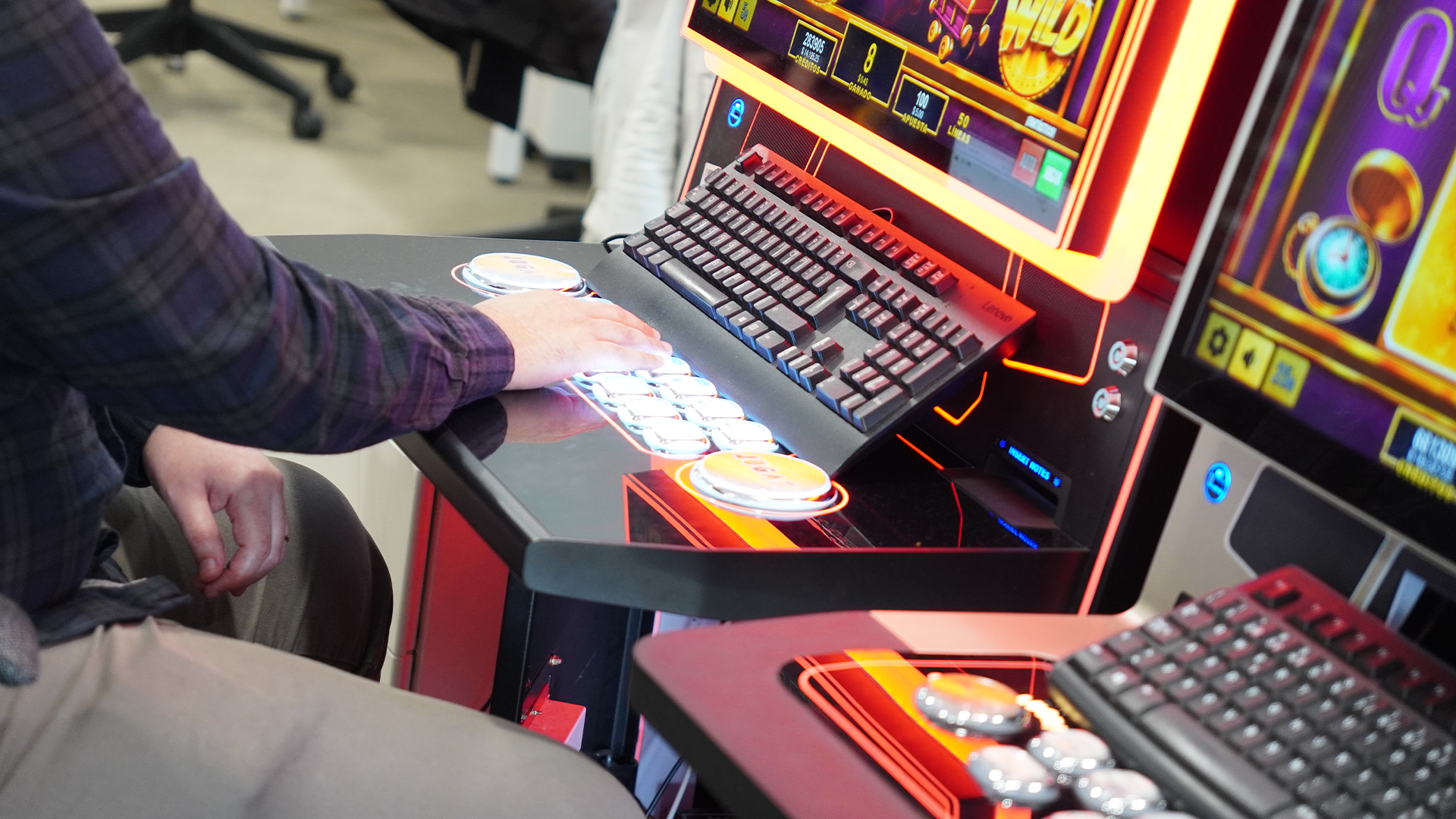
This allows teams to refine design elements, interactions, and visual feedback to ensure the experience remains intuitive and engaging.
In addition, performance data and internal metrics help teams identify optimisation opportunities and make informed decisions about improvements.
This refinement phase ensures that all elements, visual, audio, and mechanical, work together seamlessly.
7. Launching the game
Once validated and certified, the game is ready to be launched. But the process doesn’t stop there.
After release, the game’s performance continues to be monitored. Internal analytics tools track indicators such as number of plays, player behaviour, and average performance per machine.
This monitoring helps teams understand how the game performs in different environments and identify patterns that can improve future productions.
Each new project benefits from the experience gained from previous ones. Every game therefore represents not only a finished product, but also another step in the company’s creative and technological evolution.
Much more than a game
Creating a casino game brings together different areas of expertise around a common goal: delivering memorable experiences for players.
At Fabamaq, every game is the result of collaboration between product, mathematics, design, sound, development, and data teams. All working together to transform an idea into a complete experience.
Because in the end, a great game doesn’t start with just an idea.
It comes from an entire team working together to bring it to life, and to create that moment when the player enters the game, feels the anticipation of every spin, and waits for the next jackpot.
When everything comes together, it’s simple: Game on.
If you are looking for a place where innovation goes hand in hand with well-being, where people matter as much as the code they write, discover the open opportunities at Fabamaq and join the team.